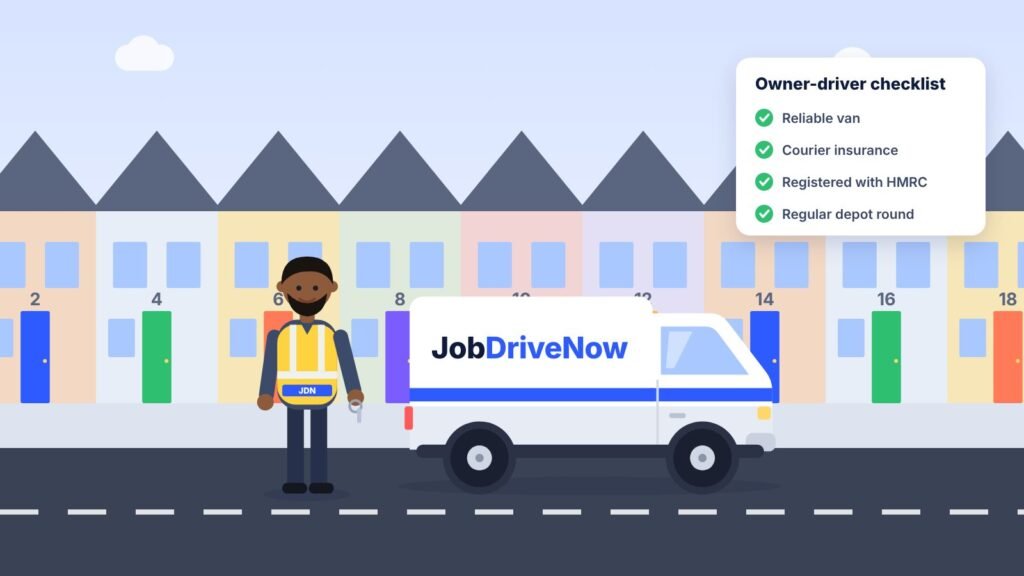
Running your own van as a courier is one of the most direct ways to work for yourself. You choose the vehicle, you control your costs, and with regular rounds behind you it can be a steady business. It also comes with responsibilities that employees never have to think about. This guide walks you through everything you need to know before you start.
Key takeaways
- Pick a van that suits parcel work: around 3.5 tonnes or less, reliable, economical and compliant with clean air zones.
- You will need hire-and-reward insurance, goods in transit and public liability cover as a minimum.
- Register with HMRC as self employed and keep digital records from day one.
- Regular depot rounds give you predictable income — far easier than chasing one-off jobs.
What is an owner-driver?
An owner-driver is a self employed courier who uses their own vehicle to deliver goods. Instead of being given a van, you provide it — and in return you usually earn a higher rate, because you are covering the running costs. Most owner-drivers in parcel delivery work multi drop rounds from a local depot, delivering anywhere from several dozen to well over a hundred parcels a day.
Choosing the right van
Your van is your main business asset, so choose carefully.
- Size. A small or medium panel van (up to 3.5 tonnes) can be driven on a standard car licence and is ideal for parcels.
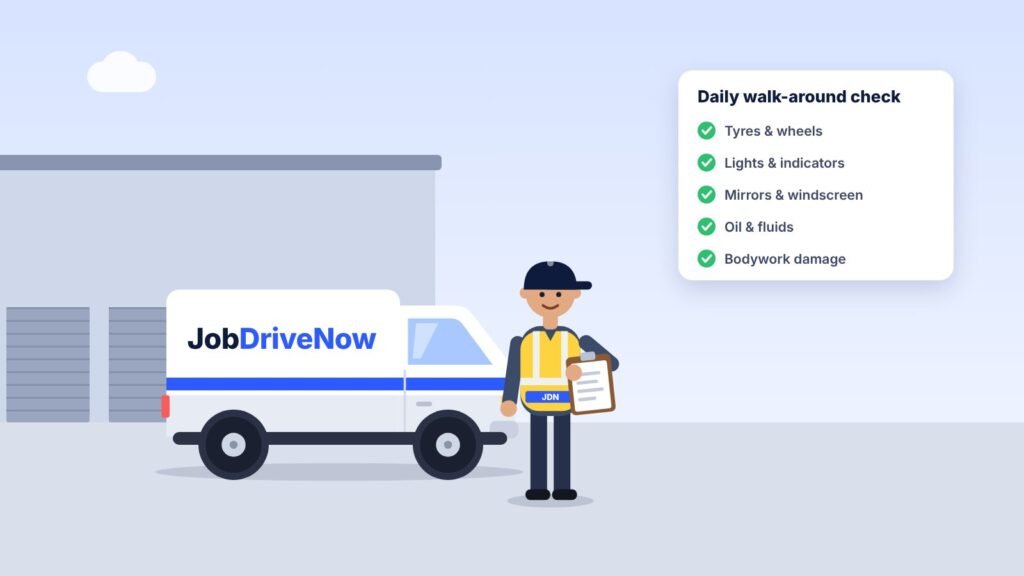
- Reliability. A van off the road means no income. Look for a good service history and budget for regular maintenance.
- Running costs. Fuel economy, tyres and servicing add up fast on a busy round.
- Emissions. Clean air zones such as London’s ULEZ charge older, more polluting vans every day they are driven in the zone. A Euro 6 diesel or an electric van avoids this.
- Buy, lease or finance. Buying outright keeps monthly costs low; leasing can include maintenance and makes upgrades easier. Compare the total cost over two to three years.
Insurance you will need
Standard van insurance does not cover courier work. As an owner-driver you will usually need:
- Hire-and-reward insurance — covers you when carrying other people’s goods for payment.
- Goods-in-transit insurance — covers the parcels if they are lost, stolen or damaged.
- Public liability insurance — covers injury or damage to members of the public or their property.
Always check what the depot or contractor requires before you start, and shop around: prices vary a lot between insurers.
Registering your business
Tell HMRC you are self employed
Register for Self Assessment as soon as you start trading. You will then file a tax return each year and pay Income Tax and National Insurance on your profits.
Keep digital records
From April 2026, Making Tax Digital for Income Tax applies to sole traders and landlords with turnover above £50,000, with the threshold falling in later years. Even if it does not apply to you yet, keeping your income and expenses in simple accounting software from the start saves hours later. Read our Making Tax Digital guide for drivers for more.
Expenses you can usually claim
- Fuel, servicing, repairs, tyres and MOT
- Van insurance, road tax and finance interest
- Phone and data costs used for work
- Work clothing, gloves and safety footwear
- Accountancy and software fees
Many drivers choose between claiming actual van costs and HMRC’s simplified mileage rates. An accountant can tell you which suits you best.
Finding regular work
One-off jobs from courier exchanges can fill gaps, but they are unpredictable. The steadier route is to join a multi drop round with a depot partner, which gives you:
- A fixed start time and a planned route each day
- Consistent volumes, so you can predict your weekly income
- Training on the systems and support when something goes wrong
- Weekly payment, rather than waiting on invoices
That is exactly what jobdrivenow.co.uk offers. Browse our current jobs to find owner-driver rounds near you.
Maximising your profit
- Track your cost per mile. Know what each day really costs you so you can judge any rate you are offered.
- Look after the van. Correct tyre pressures and smooth driving can noticeably reduce fuel use.
- Plan your loading. A well-organised van means less time searching at each stop.
- Put money aside for tax. Many drivers move a fixed share of every weekly payment into a separate savings account.
- Review insurance every year. Loyalty rarely pays — compare quotes at renewal.
Ready to start driving?
Browse rounds near you and apply online in a few minutes. Questions first? Our recruitment team is happy to help by phone, email or WhatsApp.
Frequently asked questions
Can I drive a courier van on a normal car licence?
Yes. A standard category B licence lets you drive vans up to 3.5 tonnes maximum authorised mass, which covers most parcel delivery vans.
Is hire-and-reward insurance the same as courier insurance?
The terms are often used together. Courier policies normally include hire-and-reward cover; goods-in-transit and public liability are usually separate.
Do I need to register as a limited company?
No. Most owner-drivers start as sole traders, which is simpler. Some later move to a limited company as they grow — ask an accountant when the time comes.
How much does it cost to start?
The biggest costs are the van and insurance. Many drivers lease or finance a van to keep upfront costs low.
Can I use an electric van?
Yes, if the round suits its range. Electric vans avoid clean air zone charges and can be cheaper to run, but check charging options at home or near the depot.